Dear Rich: I recently went to a public event that included an antique car show. There were no restrictions about photography. I shot many images of many cars. I handed out my card to the car owners when I could find them and told them they could see some of the photos on my web site and purchase them too. Many of my photos are just detail shots, using the shapes, forms and color to make an interesting composition. A week after the show, I get an email from the owner of a 54 Buick asking me to please remove the photograph of his car from my web site. He said I did not tell him I was a company selling photographs. I must not have told him they could be purchased. It was only then that I learned of the “property release” issue. I was dumbfounded and naïve to this but it just didn’t seem right. The photo in question is not even the whole car, it could be any 54 Buick. But even if it’s the whole car, what’s my risk? We can only think of a few situations where you might be at risk: (1) if the cars contained artsy creative custom detail work that amounted to separate artistic expression (in which case there may be a copyright claim); or (2) if the organization that presented the custom car show placed restrictions on photography (in which case you would have breached the contract and the organization -- not the car owner -- would have a claim); or (3) the focus of your work was car logos and you sold these images on merchandise -- for example, selling t-shirts with the Chevrolet logo (in which case, the car company -- not the car owner -- might bring a trademark claim). Otherwise, we don't see a problem.
What about the property release? A property release is typically used to allow someone permission to enter property (typically, a house or building) and use the location in a photo or film. A property release wouldn't be required at an auto show show (unless the venue had photo restrictions).
Home » Posts filed under automobiles
Showing posts with label automobiles. Show all posts
Can We Use Cars in CD Cover Art or Movie?
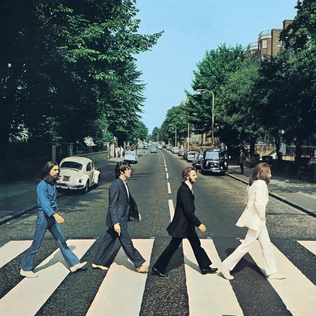
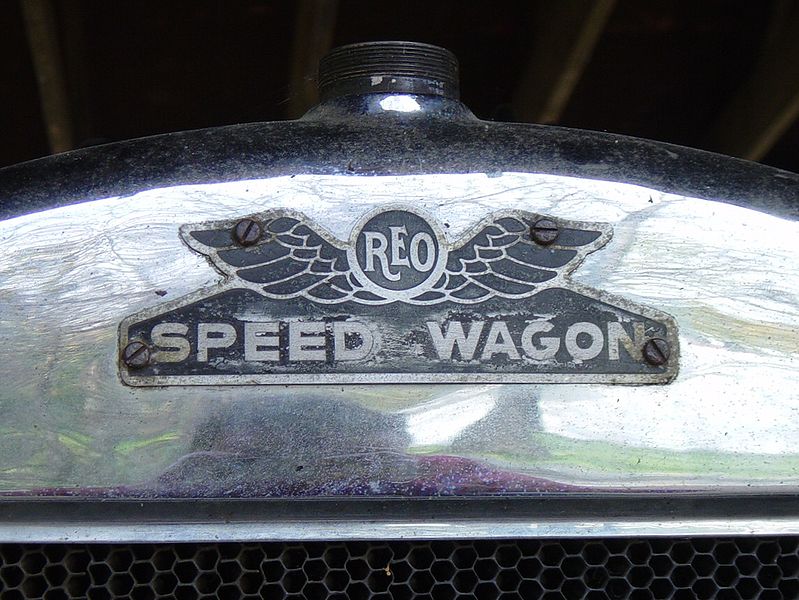
Dear Rich: On music CDs and in the movies I see images of different kinds of cars, and I wonder if the artist has had to pay any royalty to the car manufacturer. For example, the Beatle's Abbey Road album has a white Volkswagen Beetle right behind George Harrison. Does this imply endorsement of Beatle's music by Volkswagen Motor Company? And remember Walt Disney's use of a Volkswagen in the movie, The Love Bug. There are many classic old Fords and Chevys seen in movies all the time. Also, there is a musical group called REO Speedwagon. Using a car's image or trademark may (or may not) trigger problems on a CD cover or in a movie ... it depends on a few factors.
The Abbey Road Cover. The image of a VW on the Abbey Road cover (above) is unlikely to trigger any trademark issues because the usage is primarily editorial -- that is, it's an incidental use and no particular attention is drawn to the car. Of course, at the time, fans saw hidden meanings in the presence of the car (Beetle = Beatle) but it turns out the car was simply a vehicle owned by someone in a nearby flat. (BTW, the license of the car was stolen soon after the album came out). If consumers were likely to be confused into thinking that Volkswagen (or any other car manufacturer whose vehicle appears on the street) endorsed the Beatles (or vice versa), the car company never saw fit to take action. After all, if the world's most popular band at the time is including your product on a popular album, that's not something you're likely to complain about. (In general, it was a less litigious world back in 1970.) BTW, an editorial use of a trademark -- for example, a picture of a Ford truck in a documentary about trucks -- is not infringing.
Herbie and VW Marks. As for Herbie and the Love Bug movies, Disney removed the name and logos (scroll down) from Herbie in the first movie in the series. Apparently the company was concerned about claims of trademark infringement. But several years later when the sequel appeared (Herbie Rides Again) in 1974, VW sales were down and the VW company insisted that Disney put the trademarks and names back. (The names and marks stayed on Herbie for the subsequent four Love Bug sequels.)
REO Speedwagon. The band, REO Speedwagon, was able to get away with using the name and logo of the REO Speed Wagon company probably because the auto company had likely abandoned any claims to the mark when it ceased production in 1936 (or some time in the later 1940s -- we're not sure) or perhaps when the later owners of the REO Motor Company declared bankruptcy in the early 1970s. An abandoned mark is free for anyone to use, although ceasing production of an automobile is not always a clear sign as to the status of the mark.
As a general rule, you want to avoid making people think the car company is affiliated or endorses your product or service -- for example, calling your band Miata -- or diluting a famous mark by tarnishing its reputation in a commercial context. However, we also note that there's plenty of leeway in these standards as the Caterpillar company found out when they tried unsuccessfully to prevent the use of their villainous tractors in a George of the Jungle movie.
Subscribe to:
Posts (Atom)